Artificial intelligence (AI) tools are increasingly being used across professional services, including the legal profession. From drafting submissions to summarising case law and preparing chronologies, AI can offer efficiency and convenience. However, recent court decisions and practice directions make it clear that the use of AI in legal drafting carries serious risks if not handled carefully. Lawyers remain fully responsible for the accuracy, integrity, and confidentiality of all material filed in court regardless of whether AI was used in its preparation.
This article outlines the key risks identified by the courts, the legal duties that continue to apply, and why caution is essential when using AI in family law proceedings.
 A significant example of the risks associated with AI use was considered in Dayal [2024] FedCFamC2F 1166. In that matter, AI was used to generate a list of legal authorities and summaries that were provided to the Court without proper verification.
The result was serious:
The Court used the case to highlight the fundamental duty owed by legal practitioners not to mislead the Court, whether deliberately or inadvertently. The fact that the errors originated from AI did not reduce the responsibility of the lawyer who filed the material.
The message from the Court was clear: AI is not a substitute for professional judgment, verification, or ethical responsibility.
In family law matters, the risks extend beyond accuracy.
Under the Family Law Act 1975 (Cth), strict confidentiality provisions apply. Section 114Q prohibits the publication or communication of information that identifies:
There is a real risk that uploading draft court documents into an AI platform could:
This concern has been reinforced by the Supreme Court of New South Wales, which issued Practice Note SC Gen 23 – Use of Generative Artificial Intelligence (28 January 2025).
That Practice Note prohibits entering certain material into generative AI systems, including:
The responsibility rests squarely on the individual using the AI tool to ensure confidentiality and compliance with all legal obligations.
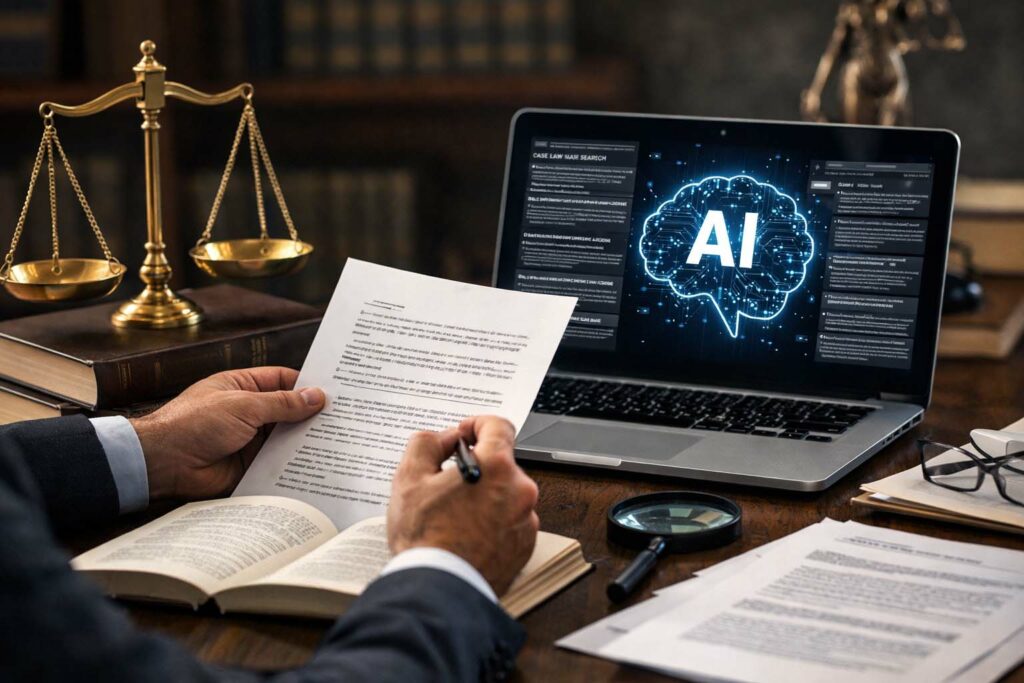 The courts have made it clear that existing professional duties apply fully, even where AI is used as a drafting aid.
In practical terms:
If AI is used to identify case law or legal authorities, the lawyer responsible for the document must independently verify that:
Where AI is used to draft submissions, prepare footnotes, or compile chronologies, the same level of scrutiny applies. All content must be checked to ensure it is:
AI may assist with efficiency, but it does not reduce professional accountability.
At James Noble Law, we understand the evolving role of technology in modern legal practice and the importance of using it responsibly.
Our team takes a careful, compliance-first approach to court documents, ensuring that:
We focus on practical, well-considered legal advice and meticulous preparation, particularly in family law matters where privacy and accuracy are critical.
AI can be a useful tool when used appropriately, but recent court decisions make it clear that unchecked reliance on AI in legal drafting can have serious consequences. Errors, fabricated authorities, and confidentiality breaches can undermine a case and expose practitioners and clients to significant risk.
Ultimately, responsibility for court documents cannot be outsourced to technology. Careful review, legal judgment, and adherence to professional duties remain essential.
If you need assistance preparing family law documents or navigating court processes with confidence and care, the team at James Noble Law is here to help.
Book your free 20-minute consultation today at jamesnoblelaw.com.au and take the first step toward a fair and equitable resolution. Find trusted Brisbane family lawyers on Google Maps or get in touch with us directly.